Wednesday, November 21, 2018

Osprey Exos 48 Review

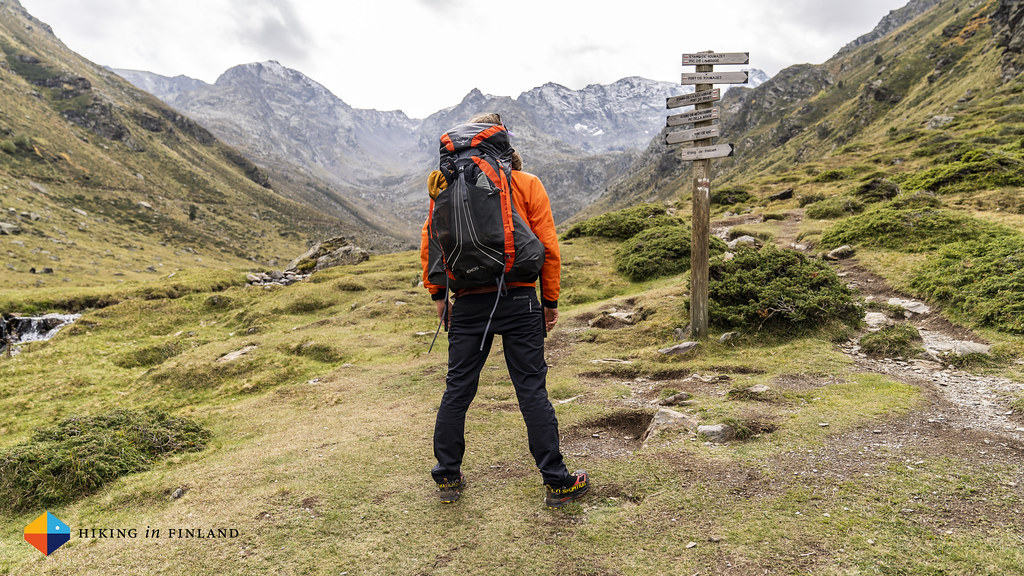
Autumn is my favourite backpacking time and in October I was fortunate enough to go backpacking in the Pyrenees. Along for this one week long trip through three countries was the Osprey Exos 48, a lightweight pack which carries extremely well.
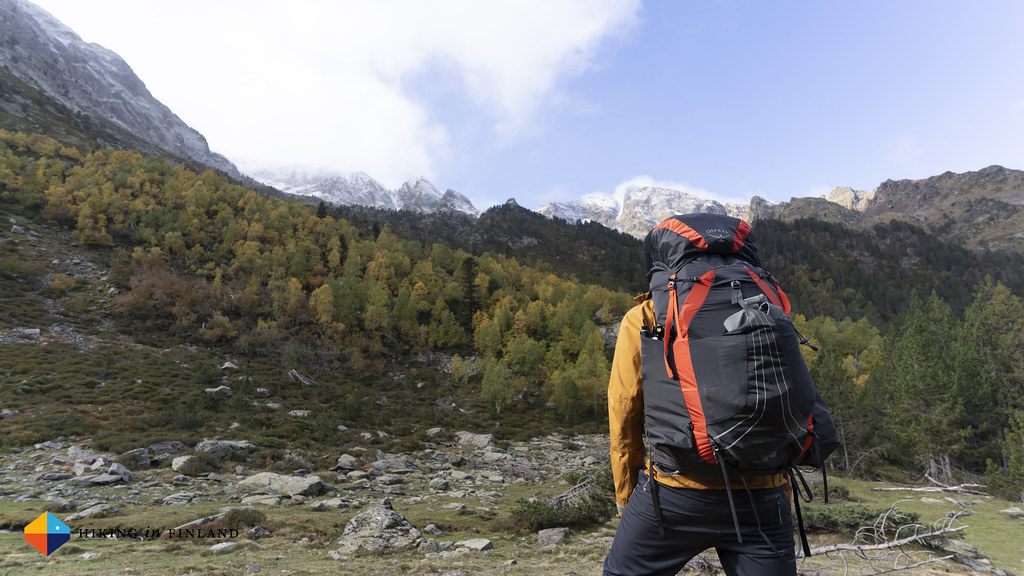
Osprey Exos 48

Disclosure: This article has been supported financially and with gear from Osprey. As you know: I’m keepin’ it real and tell you how it is - I maintain full editorial control of the content published on Hiking in Finland. Read the Transparency Disclaimer for more information on affiliate links & blogger transparency.

tl;dr

The Osprey Exos 48 is a lightweight backpack which carries loads up to 15 kg very comfortable. I found the 48 l of Volume enough for a week long backpacking trip with all my camera gear and Drone and think it would be an ideal backpack for people who look for a lighter backpack which doesn’t brake the bank. For all the details watch the video and read the review.

Time

I received my Osprey Exos 48 in January 2018 and have used it on a several day trips and a week long backpacking trip in the Pyrenees of Andorra, Spain and France. Overall it has been used for close to two weeks.
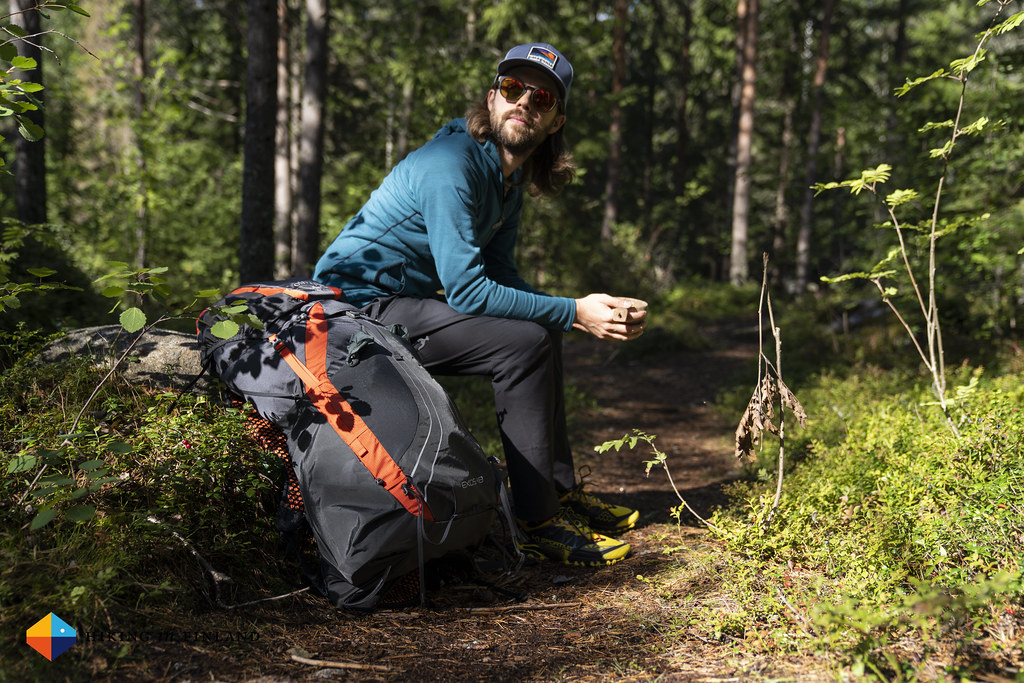
Osprey Exos 48

Function

The function of a backpack is to carry your gear in comfort from A to B. The idea behind a lightweight backpack is that it isn’t weighing 2+ kg empty, but significantly less, making the hiking part of a trip more comfortable. The backpack also should protect your gear from the elements and allow fast & easy access to important pieces of gear which you need on the go.

Features

Straight from Osprey’s Website, here are the features of the Exos 48:

  • AirSpeed™ ventilated trampoline suspended mesh backpanel
  • ExoForm™ mesh hipbelt and harness
  • Stow-on-the-Go™ trekking pole attachment
  • FlapJacket™ top cover for use without lid
  • Internal hydration sleeve + Compatible with Hydraulics™ and Hydraulics™ LT Reservoir
  • Light weight peripheral frame
  • Removable sleeping pad straps
  • Single ice axe loop
  • Removable top pocket with mesh pocket and key clip
  • Sternum strap with emergency whistle
  • Stretchy front + side pockets

Osprey Exos 48

Technical Innovations

There’s for me no technical innovations in this pack, though as the Exos came out several years ago it was one of the first lightweight backpacks with a ventilated back panel, and also the Stow-on-the-Go trekking pole attachment system was innovative back then.

Quality

It is a very well made pack that surely will keep you happy for many, many hiking & backpacking seasons to come, and the 48 l Volume pack is great if you’re looking for one backpack which does it all - from day trips to one week long hikes in the backcountry.
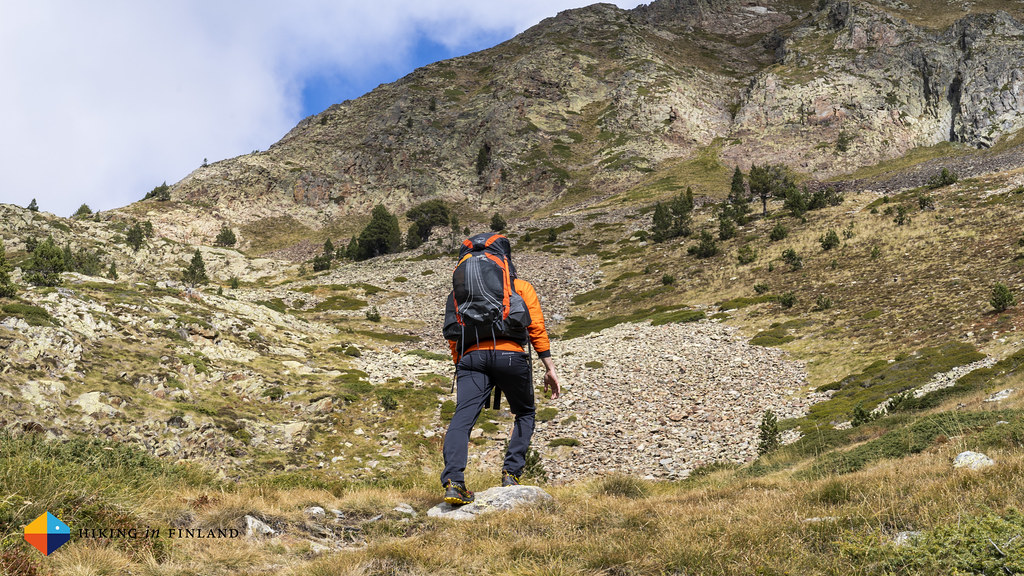
Osprey Exos 48

Weight

My Osprey Exos 48 in Back length L weighs 1.185 g empty, and the removable lid is 120 g.

In use

So I have used the Exos 48 on my seven day backpacking trip through Andorra, Spain and France where I carried around 17 kg of weight at the start of the hike, that was with water, food for 7 days and around 6 kg of camera gear. It’s a lot of weight and as someone who really doesn’t like to carry heavy loads seeing that number is scary. However, the reality was that it was not so bad. In part the ExoForm shoulder straps and hipbelt are responsible for that, because they are so damn comfortable that even such a heavy load was acceptable to carry. With every meal consumed the pack also got lighter and hence it got easier and more comfortable to carry the backpack. The difference between the Levity and Exos I have shown in an article in the spring and now, after a lot of use of both packs, I have to say that I find the Exos for my needs the better pack, even if it is 400 g heavier.
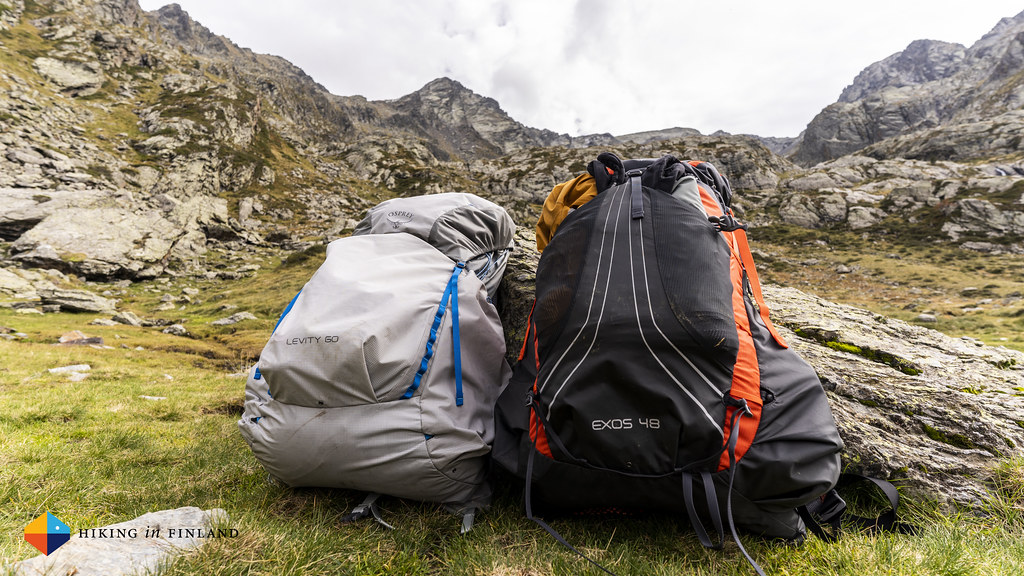
Osprey Exos 48 and Osprey Levity 60

What makes it better for me is not just the additional volume of the pack (that 3 l extra of the Exos means I can carry my camera gear a lot easier inside the pack!), but especially the Stretchy Side Pockets of the Exos which are making it for me more useable. My friend Martin bought the Levity 60 after he read my review in the spring, but also the production model of that pack had not very stretchy side pockets (something that I complained about in my Levity review) and so I usually had to give him his water bottle and stow it away again. That’s not a problem if you hike with a friend, but if you hike Solo then it means stopping, taking the pack off, getting your water, packing it back and then putting the rucksack on again. With the Exos I can get everything in the side pockets while I move, which I really love.

I also feel that the little bit of extra volume of the Exos makes it more versatile pack for most people. The 48 l pack can be used on day hikes and on one-week long backpacking trips, and also people who just start out with lightweight backpacking and own more bulky & heavier gear will find it easier to get it in the Exos and carry it in more comfort. I also liked that there were two lid pockets - that meant for me more organization as I could stow less important things like my Passport and keys, which I still want to keep close, in the Mesh pocket, while the more important stuff - phone, wallet, map, spare battery - goes in the top pocket. Funnily enough I’m flexible enough to also open and close the top lid pocket, which allows me to access the things in there with the backpack on my shoulders.
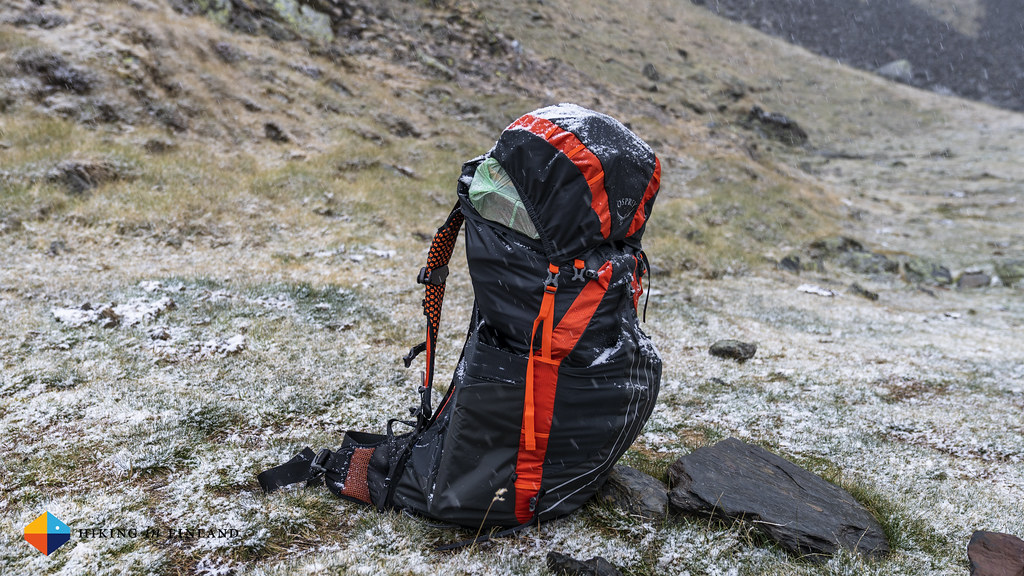
Osprey Exos 48

The Airspeed backpanel, compression straps, Ice Axe loop and other features of the Exos work well, and the pack also is highly water-resistant - at least during rain and snow all the content stayed dry, also without a rain cover. The material is durable and one doesn’t need to treat the pack super-carefully, and the shoulder straps accept the Peak Design Capture Clip just fine (it’s a tight fit, but it goes on there).

Could be better

I’d take the flap off which protects the drawcord closure of the main compartment when one doesn’t want to use the lid pocket. That probably will make the pack around 25 g lighter, and it won’t get in the way when one uses the lid.

Bottomline

At 1.185 g in Size L the Osprey Exos is a fantastic backpack for people who come from a more traditional approach of backpacking & who are lightening up their load or for ultralight backpackers who want to have a backpack which carries really comfortably. The thick ExoForm shoulder straps make carrying loads of up to 15 kg an enjoyable affair, though the lighter the pack the more comfy it will be. I feel the ideal weight is around 12 kg with kit, food and water for this pack, so if that’s your usual weight with consumables you probably really will enjoy this pack. I liked the spacious and easy to access stretchy side pockets, the front pocket can swallow a lot of gear, and the two lid pockets helped me with keeping my stuff organized. I didn’t miss Hipbelt pockets at all, and could have done without the lid flap and Stow-on-the-Go trekking pole attachment thingy as I rarely use poles and always will use the lid, but other than that I found it an amazing pack. Add in that it’s fairly easy to find it for around 150€ or less and you’ll understand why it is such a popular backpack!
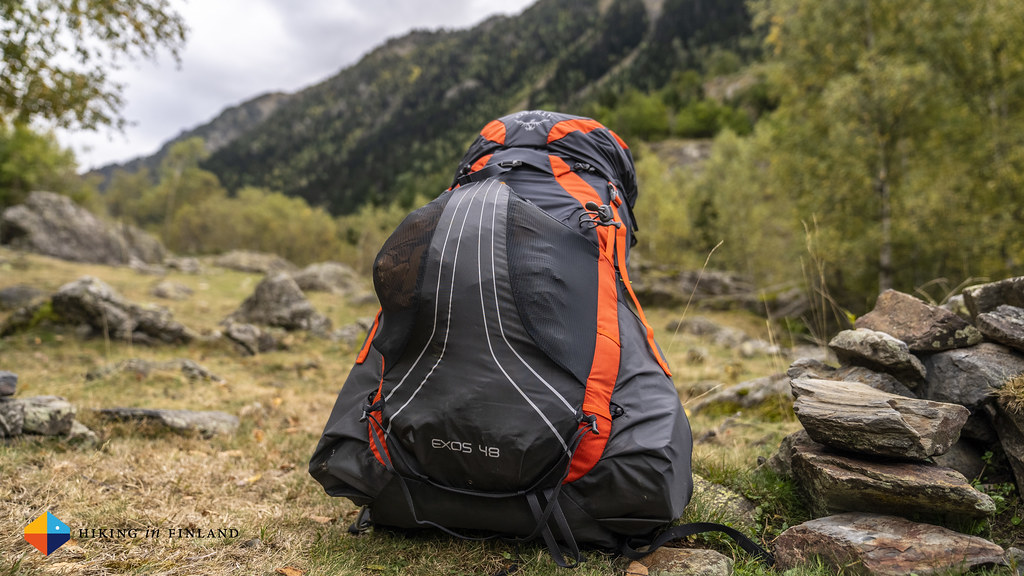
Osprey Exos 48

Where to buy it

Get the Exos at your favourite local Osprey Retailer or online at Bergfreunde and Alpinetrek.co.uk in Europe. In North America order it at Backcountry.com (currently 25% off!), REI, CampSaver.com, Moosejaw and Summit Hut. This are Affiliate Links.

Disclosure: There are affiliate links in this article to help finance the website. Read the Transparency Disclaimer for more information on affiliate links & blogger transparency.
Osprey Exos 48


from Hiking in Finland https://ift.tt/2PL5NfG

Tuesday, November 20, 2018

What’s The Deal With Food Allergy Testing?

So, apparently, no more eggplants, pineapples, cheese, rice, tomatoes, and peanuts...said anyone who has ever taken a food allergy test!

It’s such an appealing idea isn’t it? Just take a test and read in black and white how you are supposed to relate to food in order to feel better. We are terminally confused by dozens of different cure-all diets, demonized foods (even plants!), and we just want to know what menu items to hate! The prospect of a simple map is so appealing, that I spent years administering these tests in my practice, took them myself, and it wasn’t until I began to evolve my approach that I threw out all the kits and started to really see outcomes that I’ve been able to publish in the peer-reviewed literature.

The science isn’t there yet

I began to question the science behind food allergy testing based on my in depth research into immunology and vaccination. From my perspective, we don’t have a sound and validated clinical framework to interpret IgM and IgG antibodies. We don’t know what thresholds exist, and based on the concept of adaptive autoimmunity, we don’t even know that antibodies are always bad!

Perhaps the only thing these tests are demonstrating is that there is some intestinal permeability, an assumption I already make for every patient presenting with mood, behavioral, and cognitive symptoms that are causing distress. Does anyone not need to heal their gut, the seat of our physical health, digestion of emotions, and center of our power? We all do, and it begins with creating safe conditions for our guts to self-repair.

Testing has the potential to keep us arrested in an effort to fix things with our minds rather than to acknowledge the meaning behind our symptoms… meaning that can range from unconscious eating to unconscious marriage to unconscious vocation to repressed trauma, anger, and sadness. Unfortunately, if we fixate on nutrient deficiencies, Kreb’s cycles, and bacteria levels, we are still potentially viewing the body as broken, deficient, and misbehaving rather than understanding that it will spontaneously heal when radical acceptance, self-empowerment, and faith in a personal destiny are operationalized. Functional medicine testing can keep us in a greener pasture, but a fenced in space all the same.

Eat real food

Eating for healing shouldn’t require studying a long list of redline foods. It should simply require a shift in perspective. Food is not a source of fuel. It is not calories. And it is not proteins, carbs, and fats. Food is your bridge to the natural world. It is how you communicate to your soul that you are still a part of the greater web of life. It is how you message your genome that you’re connected to what you need to thrive.

From this mindset, we should simply eat real food, no? At least we should agree to start there. So, we commit to respecting our organism enough not to put processed wheat, dairy, sugar, food coloring, and unpronounceable lab molecules in our mouths. We liberate ourselves to be a part of the cycles of life, eating animal foods, sourced with reverence if that feels right. And we start with the basics: vegetables, fruit, oils, eggs, meat, fish, nuts, seeds. We see how that feels.

How does it feel? That is the key question because the good news is that you are the only one who knows what you should eat. And the bad news is that you are the only one that knows what you should eat.

So after this basic whole foods template, you can watch and learn how your body tells you yes and how your body tells you no. Is your inner ecology ready for beans? Oatmeal? Rice?

In my experience, the answer is invariably yes.

There is not a patient in my practice on an autoimmune diet, on a FODMAPS diet, on a ketogenic diet, or any other restrictive intellectualized model, and many of my patients and course participants would characterize themselves as being very sick on presentation. I believe the reason that they heal on a less rigid protocol is that they are moving out of fear as a foundational part of the approach.

We are healing their autonomic nervous system by minimizing body burden of toxicants and through meditation DAILY. And we are looking at our reflexive assumptions about illness, symptoms, and what it takes to shed meds and defy diseases.

Have no fear

Dr. Nicholas Gonzalez taught me about fearless healing as a renegade pioneer of holistic cancer treatment. His patients were sick when they met him. Sick with autoimmune conditions, neurodegenerative illnesses and terminal cancers. And they simply ate whole foods (even raw dairy and sprouted wheat!) and they healed. He helped them release their fears, gave them hope, and created a powerful ritual of self care to ignite the healing response.

This is why, when I meet a patient who can eat two foods and can’t take a single supplement – who has been crippled by the horror show of psychiatric medication injury – I start with two weeks of daily enemas and an 11 minute meditation before we do a single thing differently. And I talk to them about how to make a truce with their body, to release their vigilance, and to surrender to the journey toward the other side of their former identity as a mental patient.

There is no shortcut to learning your body’s language, so stick to the basics, send your system a signal of safety, and save a couple hundred bucks on a test that will likely turn your dinner plate into a minefield of anxiety.

The post What’s The Deal With Food Allergy Testing? appeared first on Kelly Brogan MD.


from Kelly Brogan MD https://ift.tt/2Klmsk3

Monday, November 19, 2018

Capital Park Residences

Capital Park Residences by Concert and Jawl Properties is a new vibrant community in Victoria’s Inner Circle, offering over 100 condominium homes and townhomes. This project features two apartment buildings, along with a collection of townhomes, plazas, courtyards, office and retail space. These homes are large in size and contemporary finished, within an expansively landscaped setting. Homes include generous roof terraces, fenced backyards and front porches, giving the convenience of condominium living the perks of a single family home. This community is closely located to beaches, hiking and scenic waterfront, as well as urban shopping and entertainment.

The post Capital Park Residences appeared first on Vancouver New Condos.


from Projects – Vancouver New Condos https://ift.tt/2ONgxEZ

Don't Buy New Gear (but if You MUST...)

The most absurd shopping week of the year is starting, and I think you should not buy anything.

(Look who is talking, right?!)

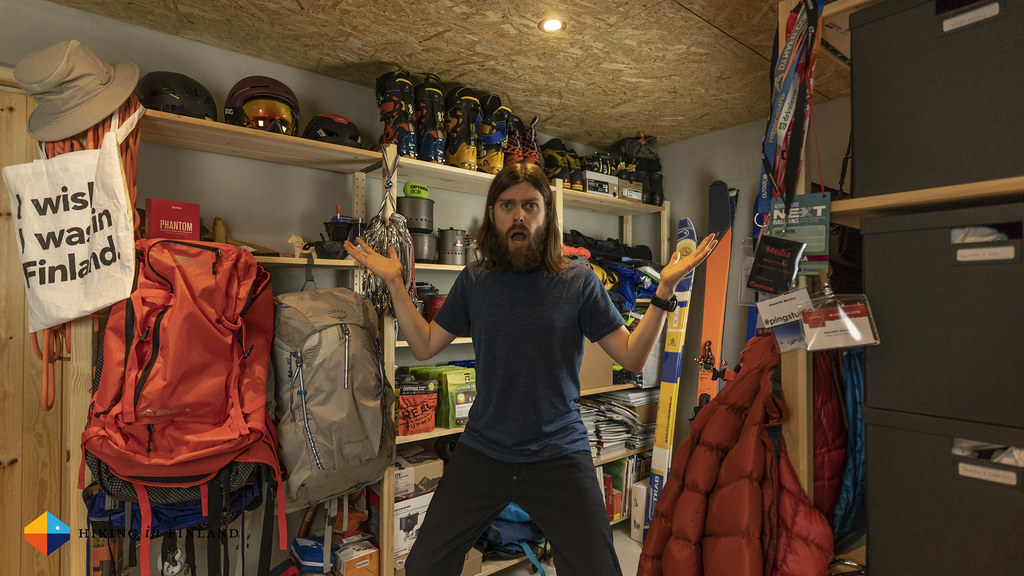
Too much Gear?

Lets be realistic: Unless you started with the hobby of backpacking, climbing, packrafting or trailrunning just last weekend you likely own already everything you need. And if you were hiking for the first time in your life this month - well, the garments and pack you wore are just fine for the next three hiking weekends at least. So in stead of investing your hard earned €$£ over the next weeks into things you very likely don’t need, invest it into something good. Support a NGO like Protect our Winters or 1% For The Planet, go eat out with your friends or family, or use that money to go on a trip (Here you can find some inspiration). Hell, you even could become a Patreon of this website and support my writing, photography and videos!

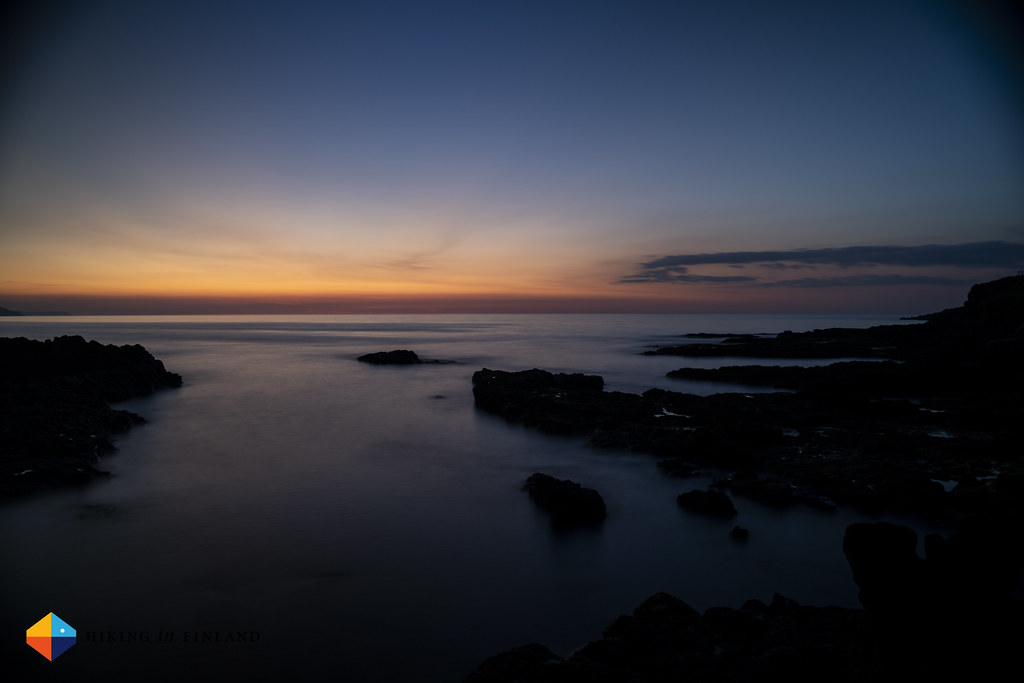
Long Exposure along the Causeway Coast Way in Portstewart

Saying no to bargains and shiny new gear is hard (as you can see above, I have had a hard time in the past). If you absolutely have to shop I’d appreciate if you use any of the following affiliate links. These have ZERO extra costs for you and I get a wee commission from your purchase. There’s a wide list of possibilities, from shopping at your favourite flavour of Amazon, to more specialised stores like evo and Alpinetrek.co.uk where you can shop for high-quality equipment & garments and support me at the same time. So, in no particular order, if you get the shopping bug and want to do something good to me without any extra costs to you, use these links for your Black Friday/ Cyber Monday/ Holiday shopping:

Thank you!

Getting there

How much did you spent on your last piece of outdoor gear? And how much did you support your favourite blogs in the last months? If you enjoy The Week in Review & other articles buy me a coffee - I work Full-Time on Hiking in Finland to bring you inspiring trip reports, in-depth gear reviews and the latest news from the outdoors. You also could subscribe to the rarer-than-ever Newsletter and follow along on Instagram, Twitter, Facebook and Youtube for more outdoorsy updates!


from Hiking in Finland https://ift.tt/2S2TOqy

Friday, November 16, 2018

U-Eight at UBC Okanagan

U Eight by Mission Group is UBC Okanagan’s final U-District community project, bringing a variety of contemporary and open-concept studios, 1, 2, and 3 bedroom homes. This project is built with students in mind, featuring in-suite laundry, full kitchens, and a bathroom for each individual bedroom. With a shortage of housing on campus, U-District aims to tackle the growing need and demand for student housing by providing a great location, design and amenities for students. 

The post U-Eight at UBC Okanagan appeared first on Vancouver New Condos.


from Projects – Vancouver New Condos https://ift.tt/2Ka1ggS

Tuesday, November 13, 2018

Postpartum Depression: Does Spirituality Matter?

It is no measure of health to be well adjusted to a profoundly sick society. – Jiddu Krishnamurti

There is perhaps, no despair more intolerable than the struggle of a new mother. A woman who, instead of ooing and ahhing at her soft, sweet-smelling newborn, is withdrawn, apathetic, or on edge, obsessively preoccupied with all that could go wrong. All those around her feel a reflexive need to help her – to make her ok, and to do something to make sure her infant is safe. This response is likely hard-wired into each and every one of us: Protect mothers. Protect children.

But what if the kind of help we are offering struggling new mothers is actually harming? What if there are variables outside of the realm of biology and chemistry that are disabling these women? Setting them up to fail?

One of the primary shortcomings of psychiatry is its seeming inability to acknowledge that anything is wrong with the way we are living. Instead, researchers and clinicians unwittingly collude with the reductionist perspective that there is something wrong with YOU. That you are broken, never mind the fact that we are living lives bereft of meaning, connection, and purpose, cogs in capitalistic machinery that is systematically destroying our planet.

Women today are mothering without the wisdom of generations before them, without the support of their female family, friends, and community. In fact, they are spending large swaths of time alone with their infants. It is likely, however, that a number of survivalist danger signals would be set off if a woman found herself alone with a baby. In fact, it’s likely that we are now setting historical precedent as a woman has likely never been left alone with a baby – without surrounding tribeswomen – in the history of humanity.

Something is, indeed wrong, and postpartum depression, anxiety, and even psychosis may be a reflection of mismatch with diet, with chemical exposures, with psychospiritual support, and the unraveled communities that once held birth as a collective affair.

New Insight into Postpartum Depression

A 2017 study of postpartum depression1 (a growing target for psychiatric antidepressant medication) illustrates why psychosocial resources, like self-esteem, optimism, gratitude, and forgiveness can be more profoundly effective than drugs…without the inherent risks.

Researchers from UCLA and Hope College looked at how religious and spiritual beliefs and behaviors influence mental health. Specifically, the study focused on postpartum depression, which affects as many as 20 percent of postpartum women. But this study, involving 2,399 postpartum women 18–40 years of age, confirmed what many women have intuitively understood for centuries. It revealed that religious beliefs and spirituality, offering psychosocial resources such as optimism, perceived control, and social support, predicted lower depressive symptoms throughout the entire first postpartum year.

To define whether women were more religious and spiritual, researchers applied the Fetzer Multidimensional Measurement of Religiousness/Spirituality for use in Health Research.2 This tool uses a 16-item self-report measure, the Daily Spiritual Experience Scale (DSES), which has been used in more than 300 published studies. The DSES assesses personal experience of such things as gratitude, mercy, awe, inspiration, deep inner peace, connection with the transcendent, and compassionate love.3

Postpartum women who identified as religious and spiritual had significantly higher levels, for example, of mastery, optimism, and self-esteem. Attributes which facilitate everyday management of stress and promote long-term health. Not surprisingly, the presence of those resources predicted significantly lower symptoms of depression.

Underlying Causes of Postpartum Depression

The study adds to a growing body of work that establishes a link between spirituality and enhanced health and well-being, particularly with regard to depression. This may be especially relevant to postpartum depression, since childbirth so intimately and meaningfully relates to religious and spiritual beliefs and rituals. Our cultural ancestry, and the vital ways that positive, healthy components of it are absent in modern society, deserves a more prominent role in the treatment of postpartum depression.

That includes certain aspects of ancestral diet, versus today’s habitual model of processed, chemical-laced, nutrition-depleted factory food. Unfortunately, most research on pregnancy-related mood disorders doesn’t control for such key factors as metabolism, inflammation, diet, or routine exposure to environmental toxicants. The body is wired to express mismatch and disharmony. One of the most common ways this is expressed postpartum is through thyroid dysfunction and associated autoimmune diagnoses. Postpartum thyroiditis is common, and is likely, not coincidentally seated in the fifth chakra, the energetic center of self-expression. This diagnoses is also eminently reversible through lifestyle interventions from the physical to the spiritual.

The latest treatment: Bexanolone

Conventional psychiatry, however, has been unilaterally focused on pharmaceutical interventions, despite a conspicuous lack of high quality research to support this approach (including only three randomized, placebo controlled trials of antidepressants in the postpartum population).

One of the newest drugs being rushed to market for the treatment of postpartum depression is brexanolone. In September of 2017, brexanolone failed its clinical trial4 as a treatment for super-refractory status epilepticus, but just two months later, the drug was being touted as a cure for postpartum depression, gaining fast-track status from the FDA.5 That’s despite the fact that the more trials were conducted, and the larger the sample of women they tested became, the less statistical significance the drug’s effect showed…compared to an ordinary placebo.6

That worries some investors who back the drug. As one publication that tracks biotech for investors explained, “The data contain a few blemishes that, while unlikely to derail the drug, raise questions about the extent to which it will improve the lives of people with PPD and where its peak sales will top out.”7

If potential stockholders have concerns, women who are potential candidates for the drug should have even greater concerns.

Of course, the pharmaceutical industry is preaching a different belief system, one that fails to recognize the relevance of context, the wisdom of ancients, and the meaning of symptoms to express mismatch and imbalance that is correctable. This drug-supportive dogma says that women should blindly accept the idea that a possible if not probable state of the body is emergent, inevitable disease…not wellness and self-determination. The more we buy into this modern fairy tale, the more it reinforces a false culture of fear that spreads like a virus. That’s despite compelling evidence that antidepressants can actually accelerate what may be merely a temporary adjustment, sometimes into experiences of violence against self and infant.

Nurturing a Culture of Healthy, Natural Psychosocial Support

Studies like this one from UCLA and Hope College highlight the fact that when a woman experiences symptoms of postpartum depression, we should take a broader, more holistic view. That includes a thoughtful examination of her psychosocial and spiritual resources. A woman’s social environment and culture play a critical role in her overall health.8 But women today are constantly exposed to the fear-based, profit-driven culture of corporate pharmaceutical medicine.

In previous generations and societies, mothers were embraced by a cohesive, multilayered psychosocial and psychospiritual support network. Some cultures incorporate rituals that include preparing special food for preconception women, to physiologically prepare them for motherhood. But that gesture of healthy, intentional support also provides multiple levels of psychosocial security.

We’ve wandered off the path as a species. We are meaning-seeking beings and birth is an in-built form of initiation. Initiation to a woman’s innate power, and also to her greater connection in the web of being-ness, and perhaps even to cosmic energies. If she is struggling after this experience, it may very well be related to a thwarted birth experience, to lack of support and isolation, and to her body’s overwhelming stress.

The good news, highlighted by the recent study, is that women who are more in-tune with their spirituality and enjoy the support of a spiritually-minded community show fewer symptoms of postpartum depression. They also show significantly higher levels of optimism, self-esteem, and feelings of control over their lives…at a time so critical to the newborn’s healthy development.

You can begin regaining that control (and join our own vibrant support system) by taking advantage of the restorative steps offered through our online program, and the tips and protocols found in A Mind of Your Own.

References

  • 1 https://ift.tt/2PW2t0j
  • 2 https://ift.tt/2Dkj9rJ
  • 3 https://ift.tt/2PX4slf
  • 4 https://ift.tt/2Dkj9YL
  • 5 https://ift.tt/2PZqbJ8
  • 6 https://ift.tt/2Aovl6h
  • 7 https://ift.tt/2Aovl6h
  • 8 https://ift.tt/2PSbCqX

The post Postpartum Depression: Does Spirituality Matter? appeared first on Kelly Brogan MD.


from Kelly Brogan MD https://ift.tt/2DkUweD

Monday, November 12, 2018

The Week in Review 287

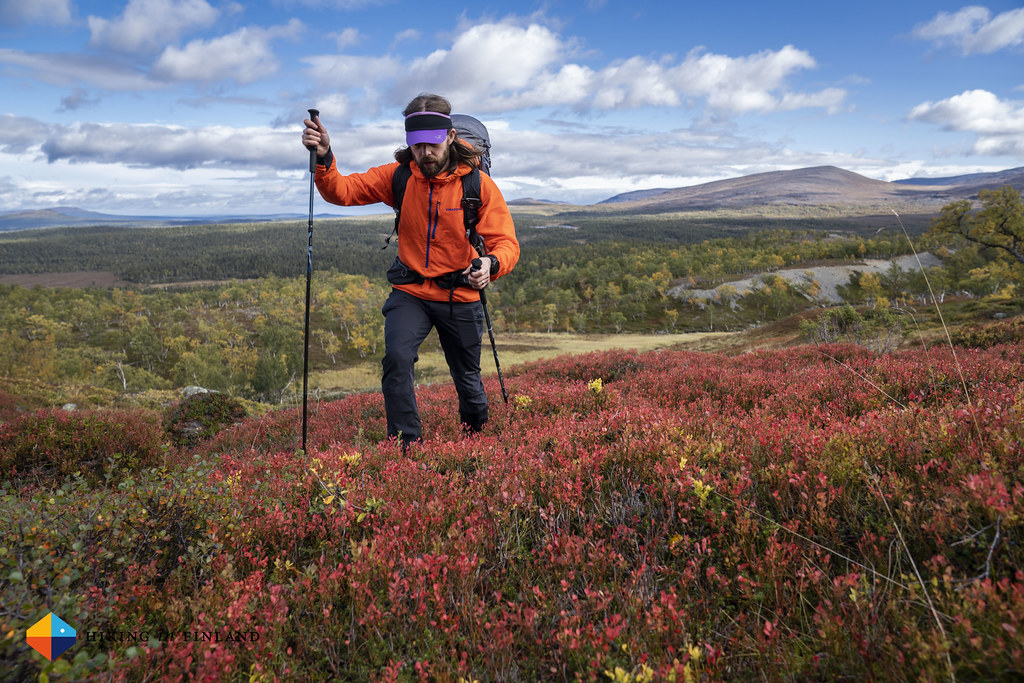
Through red shrubbery/ up the empty mountain/ good I sleep

Bilberry fields forever!

How much did you spent on your last piece of outdoor gear? And how much did you support your favourite blogs in the last months? If you enjoy The Week in Review & other articles buy me a coffee - I work Full-Time on Hiking in Finland to bring you inspiring trip reports, in-depth gear reviews and the latest news from the outdoors. You also could subscribe to the rarer-than-ever Newsletter and follow along on Instagram, Twitter, Facebook and Youtube for more outdoorsy updates!

Outdoor News

Excuse the long-ish break, I was outdoors and had technical problems. Now’ I’m back home for a while and will catch up with blogging and videos!

Chris Townsend is remembering Peter Hutchinson, the man behind Mountain Equipment and PHD.

Alex finally shot an image he had been visualising for a long time. Congratulations!

There are not enough women at the E.O.F.T. - time to talk about this issue! [German]

Keith wrote about depression in his last book, and now he penned down 15 Steps to Help with Depression.

You now can buy Martin’s book Hoamatroas. [German]

How to go bouldering outdoors - but right.

It’s getting cold outside - time for Merino Wool Baselayers!

Get 20% Off One Full-Priced Item With Code: TAKE20NOVEMBER at Backcountry.com.

Get up to 30% off at the REI Gear Up Get Out Sale till 19th November, and members can save also 20% off one full price item.

Bergzeit_Gewinnspiel_Black Diamond_Facebook Win the Black Diamond Recon Stretch Pants and Jacket.

Bergzeit_Gewinnspiel_Julbo_Facebook

And in this competition you can win googles, a helmet and some cool shades from Julbo!

Bergzeit_Alpincamp_K2_Facebook

If all you want is to travel then enter here and go to Tirol for five days and hike a glacier!

Bergzeit_Gewinnspiel_Deuter_Facebook

Finally, if you are more into backpacking then this Photo contest where you can win a pack and sleeping bag might be more up your alley.

Trip Reports

Jeremie’s Fall to Fall Journal is AMAZING - a must read & see.

Paulina was at the Calpine Fire Lookout.

Max takes us fishing on tributaries.

The “No Wainwrights” Lake District Backpack.

Winter is coming.

Ryan takes us along on his Altiplano Traverse.

Mark took Enni on an Overnighter in Nuuksio.

A Classic Tokyo Hike: Mt. Takao to Mt. Jinba.

Climbing in Squamish, British Columbia.

Stephen returns to the GR10.

Sweet and Sauerland is a three-day bikepacking loop in the midwestern German region of Sauerland, and if you need a reason to take your bike to Germany this could be it!

Mark wrote a Beginners Guide to Multi-day Dirt Rides.

A family hike to the Großer Widderstein. [German]

Chad gives an update on his JMT thru-hike.

Remnants of Rosa.

Impressions from the Tahoe Rim Trail.

Climbing the Forbidden Mountain of the Caucasus.

Packrafting in Russia. [Spanish]

And Erika went out for a Hochtour-Hike & Fly to Obergurgl. [German]

Gear Reviews

I reviewed the Therm-A-Rest NeoAir Uberlite.

Agnieszka shares her favourite gear from her CDT thru-hike. [Polish]

Dennis tests the hamaka Hyperlight Hammock. [German]

Derek reviewed the Hammock Gear Netted Hammock.

Drew reviews the Arc’teryx Norvan LD Trail Shoes.

Andrew takes a look at the Altra Tusher boots.

Part 2 of the The Ultimate Alaska Backpacking Gear List looks at equipment like trekking poles, quilts and shelters.

Dan, Kim and Janine share their Outdoor Gear of the Year.

Gear Talk with Jason Klass is BACK! This time Jason looks atthe Supercat Alcohol Stove.

Disclaimer: There are affiliate links in this article to help finance the website. Read the Transparency Disclaimer for more information on affiliate links & blogger transparency.


from Hiking in Finland https://ift.tt/2DkHgqv